Patricia Marins
Israel has demonstrated to the world not only its military might but also the power of tactical actions by its intelligence service. This was possible by compromising the Iranian army’s long-range and medium-range radar systems and its air defense system.
Actions involving the use of drones, anti-tank guided missiles (AtGMs), and cyberattacks were part of this scope, planned for months and involving various levels of operation, from Israelis posing as Iranians to various immigrants unaware of who they were really working for in drone assembly lines.
How was Mossad able to establish drone production lines within Tehran? And is Mossad’s structure limited to Iran?
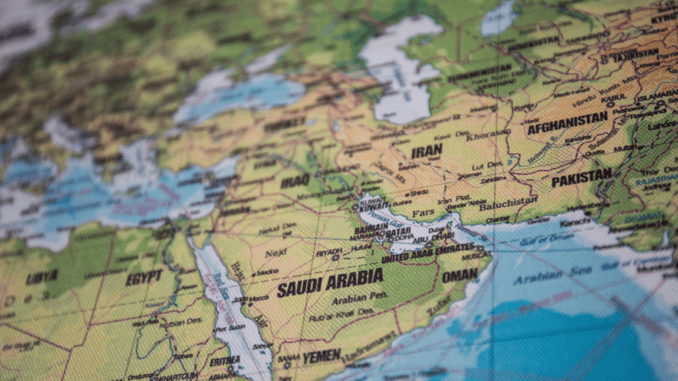
In 2018, a court in Saudi Arabia opened the trial of two Jordanians accused of spying for Israel’s Mossad intelligence agency. However, more recently, intelligence relations between the two countries have improved significantly.
What is the extent of Mossad’s operations in key countries like Egypt, Iraq, Turkey, the UAE, and Saudi Arabia?
The recent actions by Mossad have shown the need to review an entire doctrine of protective perimeter security around radars and launchers, establishing a prohibited radius of several kilometers under constant ground patrol and anti-drone systems. Yes, we are talking about a modernization of the Western air defense doctrine utilized by countries in the region, including Saudi Arabia.
The operational model executed by Mossad could potentially be explored in other conflicts by other intelligence agencies, mercenaries, and guerrilla groups.
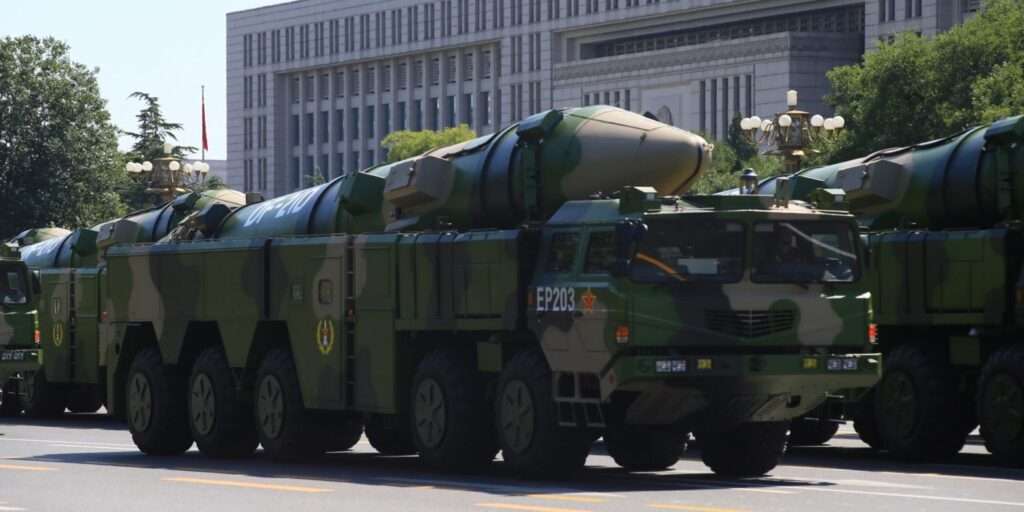
Saudi Arabia is quietly focusing on its autonomy, especially in missile technology with Chinese technology transfer of the DF-3 and DF-21, with a range of 1,500 to 5,000 km, in a solid relationship that has already lasted several years, providing the Saudi defense sector with an ecosystem for the production of short and medium-range missiles. As I previously reported, facilities for manufacturing various levels of propellants were provided through MAC JEE, also transferring technology. Ukrainian companies also played a significant role in advising on this Saudi defense ecosystem; however, the relationship was limited after the invasion of Ukraine.
Daring to say, Saudis today have more than 250 ballistic missiles in five launch bases. This is a significant advancement and certainly the right path evident in the most recent regional conflict. Observing the veracity of ballistic missile missions and the rapid depletion of Israeli air defenses, the Saudis must accelerate their investment and achieve greater missile production in the coming years.
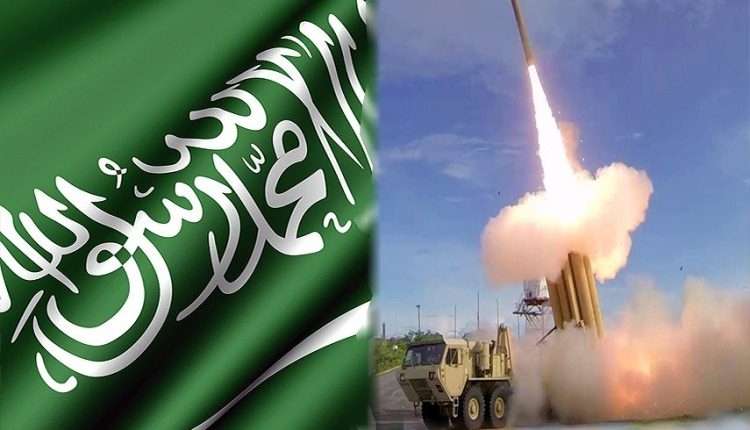
The fact is that about 1,000 Israeli defense missiles were expended in just one week of conflict, and this will certainly serve as a reference for other countries in the region, both in offensive missiles and interceptors.
The lesson from the problems faced by Iranians regarding their inhibited air defenses also needs to serve as a warning to countries in the region, especially Saudis, who have a mix of American, French, Russian, Singaporean, and Chinese air defense systems. A real mixed bag and an easy target for situations similar to what occurred in Iran.
There is a need to invest heavily in counterintelligence, a vast arsenal of defense missiles, streamlining systems to reduce diversity, and maintaining a substantial stock of ballistic missiles protected in underground installations operating silos.
All of this is amid modernizing doctrines of perimeter terrestrial air defense zones and rapid retaliation, but also an investment in counterintelligence. Iran failed in both, and this should serve as a lesson to other countries in the region.


Be the first to comment