
As electronic warfare emerges as a decisive factor across contemporary conflicts — from Ukraine to the Middle East — the demand for integrated, adaptable self-protection systems has never been more urgent. Travis “Posum” Ruhl, a former F-16 pilot and now Director of International Business Development for the Spectrum Superiority Sector at L3Harris Technologies, sat down with Defense Arabia to discuss Viper Shield: the next-generation integrated electronic warfare suite designed specifically for the F-16. With eight international customers and 233 systems in production, Viper Shield is poised to redefine survivability for one of the world’s most widely operated fighter aircraft.
Q: With electronic warfare threats evolving so rapidly, how does Viper Shield ensure long-term relevance and adaptability for future F-16 operators?
A: The strength of Viper Shield lies in the fact that we designed both software and hardware upgrade capability directly into the system from the outset. That is why we have secured our first new-build customers — we designed it for the Block 70 — but it also caters to upgrade customers through the podded solution, which gives it the ability to evolve over time. And that is exactly what we are seeing in the modern threat environment: threats are evolving at pace, as demonstrated in Ukraine and in the current Middle East conflict. The fundamental argument for any modern system today is that it must be upgradable and must be able to adapt to the threat environment. All of that is built into Viper Shield.
Q: What are the key lessons learned from recent conflicts in contested electromagnetic environments, and how have they shaped the development of Viper Shield?
A: One of the biggest lessons — and there are many, drawn from the range of conflicts over the past few years — is that electronic warfare is no longer an optional element of your warfighting capability. It is a necessity. Self-protection for the F-16, as with other frontline fighters, is non-negotiable. We have seen this validated across multiple conflicts, from Ukraine to engagements in the Middle East. Viper Shield was designed to fill precisely that gap. Although the design and development programme began roughly five years ago, the system today is built to meet that requirement. The timing could not be better: developing a truly integrated electronic warfare suite like Viper Shield takes time, and we are now at the end of that journey. We are in production, the hardware configuration is essentially fixed, and the software is in its final phase of testing ahead of aircraft installations beginning in 2027. In effect, Viper Shield arrives as electronic armor for the F-16 at exactly the moment the threat demands it.
Q: Can Viper Shield operate effectively against simultaneous multi-domain threats — such as integrated air defence systems, drones, and advanced radars?
A: Yes — as long as we are talking about the RF spectrum. Viper Shield is a tightly integrated system combining a radar warning receiver with an electronic countermeasures jammer. Against any threat that employs RF energy to detect, track, or engage — whether an integrated air defence network, an advanced airborne radar, or an RF-guided munition — Viper Shield stands as the countermeasure. It is fundamentally a self-protection system: a self-screening jammer designed to protect the host aircraft, the F-16.
Q: Turkey operates one of the largest F-16 fleets in the world, and we have just seen Peru become your latest customer with an order for 20 Block 70 Vipers. Is there appetite on the Turkish side for Viper Shield?
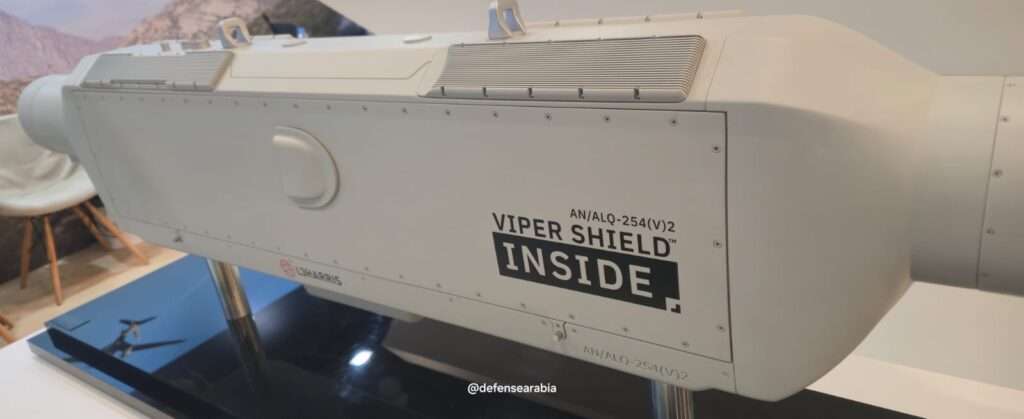
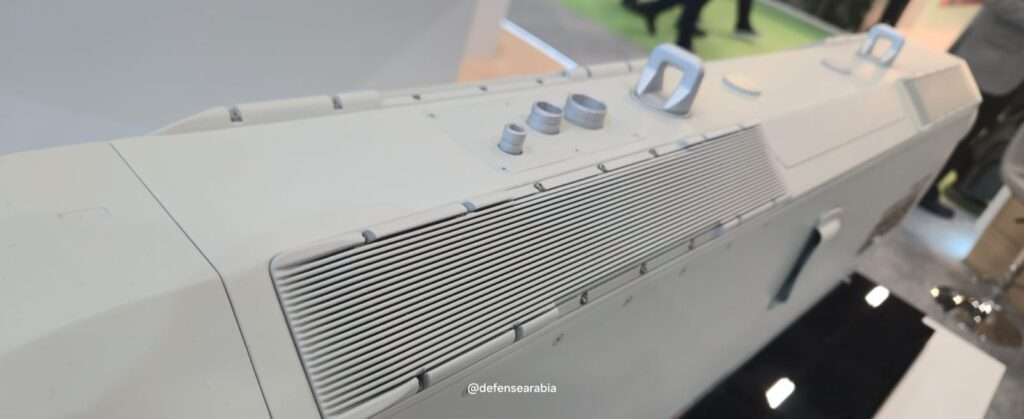
A: Turkey does have a programme in this area, though it has been placed on pause for the time being. They are also engaged in discussions around procuring additional F-16 airframes. What I can tell you is that a Turkish official approached me here at the show today and expressed directly that the Turkish Air Force truly loves its F-16 fleet — and having flown the F-16 myself throughout my entire Air Force career, I can only agree. There is a recognised need within Turkey to upgrade their electronic warfare suite to a more modern and adaptable solution. The Viper Shield pod, in particular, represents a viable and comparatively straightforward upgrade path. Turkey already operates a legacy forward-looking pod, and the Viper Shield pod shares the same outer mould line and the same cooling system, with certain transmitter components in common as well. So the integration case is relatively clean. That said, Turkey still needs to finalise decisions on their overall fleet plans — including which additional airframes they intend to procure — and that remains a more complex political and programmatic question at this stage.
Q: Could Viper Shield potentially be adapted for other platforms, such as the Eurofighter Typhoon?
A: Viper Shield was not designed for the Eurofighter Typhoon, but integration is not out of the question. The pod configuration in particular is inherently more adaptable, and there is a plausible case for exploring integration on other platforms. The internal solution, however, has been purpose-built for the F-16. At this moment, we are genuinely excited about where the programme stands: Peru coming on board as our eighth international customer is a significant milestone, and our user base continues to expand. We now have 233 systems in the production line as we ramp to full-rate production. It is a perfect convergence — the system is mature, ready for its first installations, and entering service at exactly the point where the threat environment makes it most necessary.
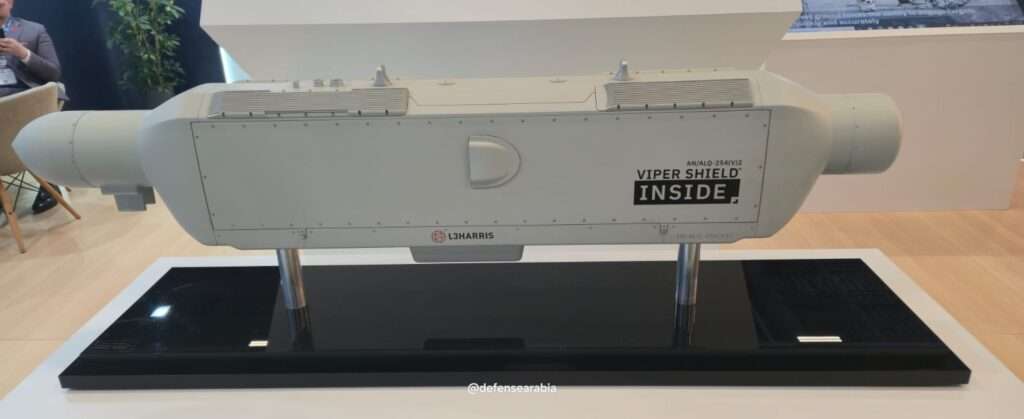
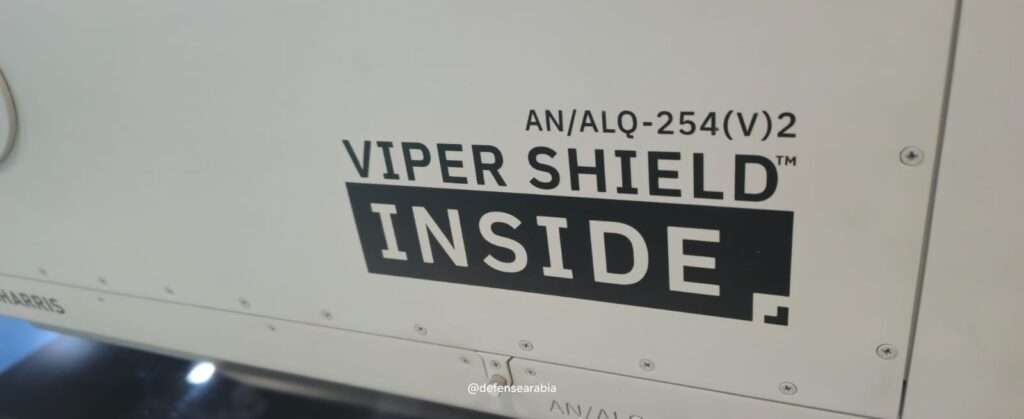
Travis “Posum” Ruhl is a former U.S. Air Force F-16 pilot and currently serves as Director of International Business Development within the Spectrum Superiority Sector at L3Harris Technologies. Viper Shield is an integrated electronic warfare suite for the F-16 family, combining radar warning and active jamming capabilities in both internal and podded configurations.
© Defense Arabia | defensearabia.com


Be the first to comment