Odul Oden
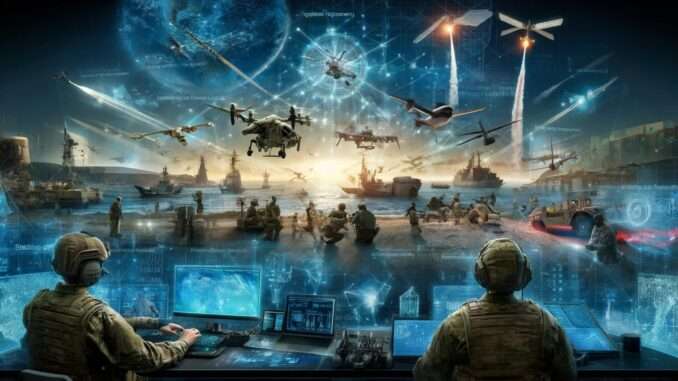
The modernization of the defense industry is increasingly shaped by the integration of unmanned systems and advanced training technologies. In this context, unmanned target systems and military simulators stand out not only for their cost-effectiveness but also for their ability to deliver realistic, repeatable, and mission-oriented training scenarios.
Unmanned Target Systems: Realistic Responses to Modern Threats
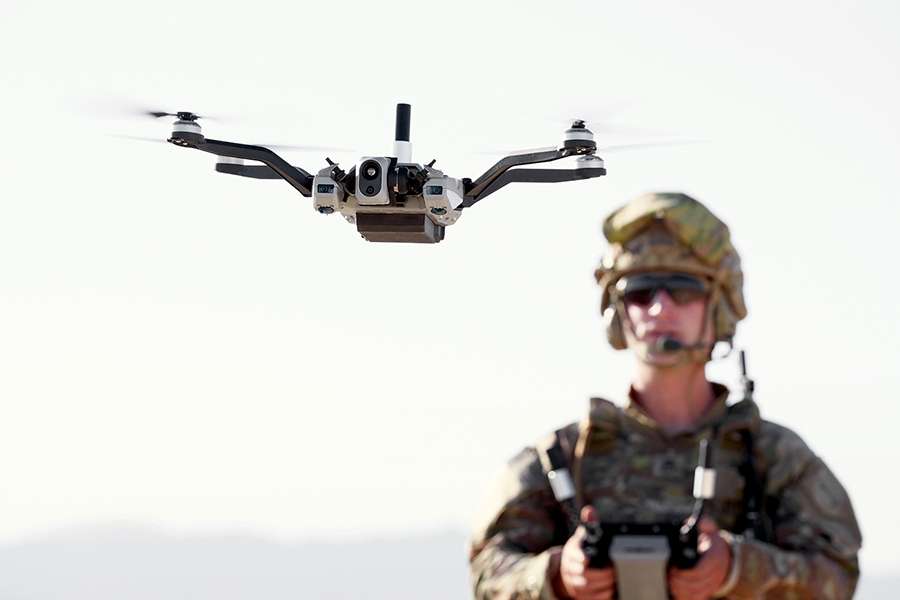
Today’s air and naval forces must remain prepared for an evolving and increasingly complex threat environment. Unmanned target systems—particularly unmanned aerial targets (UAV target drones) and unmanned surface targets (USV targets)—offer a safe, dynamic, and realistic means for operational training and system testing.
Propeller-driven or jet-powered target UAVs are used for testing radar systems, conducting air-to-air and surface-to-air engagement scenarios, and calibrating weapon systems. Similarly, unmanned surface targets are produced in various configurations featuring different speeds, maneuverability, and radar cross-section signatures to test the detection, tracking, and engagement capabilities of naval platforms.
These systems enable personnel to train under conditions that closely resemble real combat scenarios. They also provide opportunities to test munition effectiveness, command-and-control responsiveness, and sensor integration—without incurring the high costs or safety risks associated with live targets. Furthermore, the ability to repeat missions consistently makes these solutions invaluable for sustainable training programs.
Simulator Systems: The Key to Efficient Training
Simulators are no longer a luxury but an operational necessity in modern defense technology. Given the complexity of today’s combat platforms and weapon systems, traditional training methods alone are no longer sufficient to produce qualified personnel in a timely or cost-effective manner.
This has led to the widespread development of simulators for land, air, and naval platforms. These systems provide highly realistic interfaces, ergonomics, and mission scenarios that reflect the actual operational environment. They are used to train pilots, gunners, operators, and maintenance crews at various proficiency levels.
Scenario-based simulation enhances not only the technical knowledge of personnel but also their decision-making under pressure, teamwork, and situational awareness in high-stress environments. Networked simulation infrastructures further enable joint-force training and comprehensive mission rehearsal across different service branches.
Shared Benefits and Strategic Contribution
Unmanned target systems and simulators share several key advantages:
• Risk Reduction: They eliminate the threat to human life during live-fire and high-intensity training.
• Cost Efficiency: They minimize expenses related to fuel, wear-and-tear, ammunition, and maintenance.
• Operational Readiness: They ensure that personnel are prepared to operate effectively under realistic combat conditions.
• Data Collection: They enable detailed analysis of training performance and allow optimization of training strategies.
• Technology Testing: They offer a safe and controlled environment to validate new weapon systems and sensor integrations.
Looking Ahead
The future of unmanned target systems and simulators is being shaped by AI-assisted adaptive learning platforms, augmented reality (AR) integration, and real-time feedback mechanisms. Given the fast-paced developments in the defense sector, these technologies are becoming increasingly strategic not only for national capabilities but also for global competitiveness in defense exports.
For countries like Türkiye, which aim to achieve self-sufficiency in defense, investments in these technologies are critical—not only to enhance combat capacity but also to improve training effectiveness and overall force preparedness.
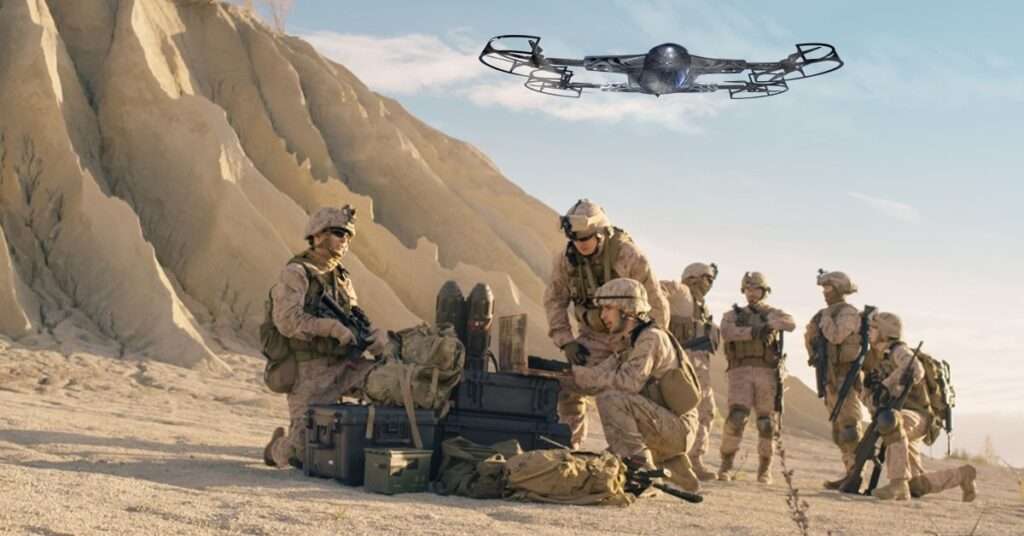
In conclusion, unmanned target systems and simulators form the backbone of effective training and testing in today’s asymmetric and high-tempo warfare environments. Investments in these systems go beyond short-term operational performance—they are key to long-term deterrence and strategic defense capability.


Be the first to comment