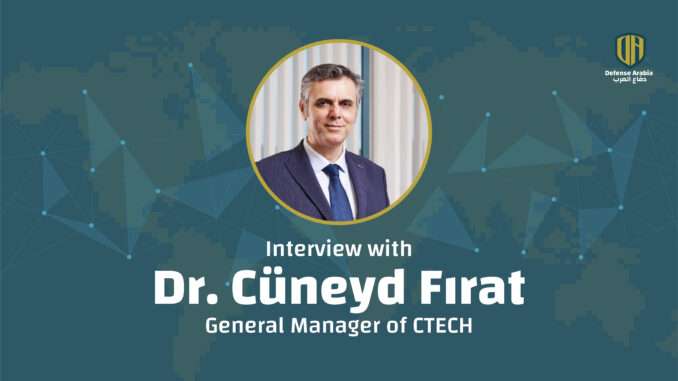
In this exclusive interview, we sit down with Dr. Cüneyd Fırat, General Manager of CTECH, to discuss a landmark achievement: securing a major NATO contract. We explore the company’s 20-year journey, its expanding footprint in the Gulf region, and the niche technologies—from “blade-resistant” helicopter links to maritime USV systems—positioning CTECH at the forefront of defense communications.
Let’s start with the big news. How significant is winning the recent NATO contract for your company?
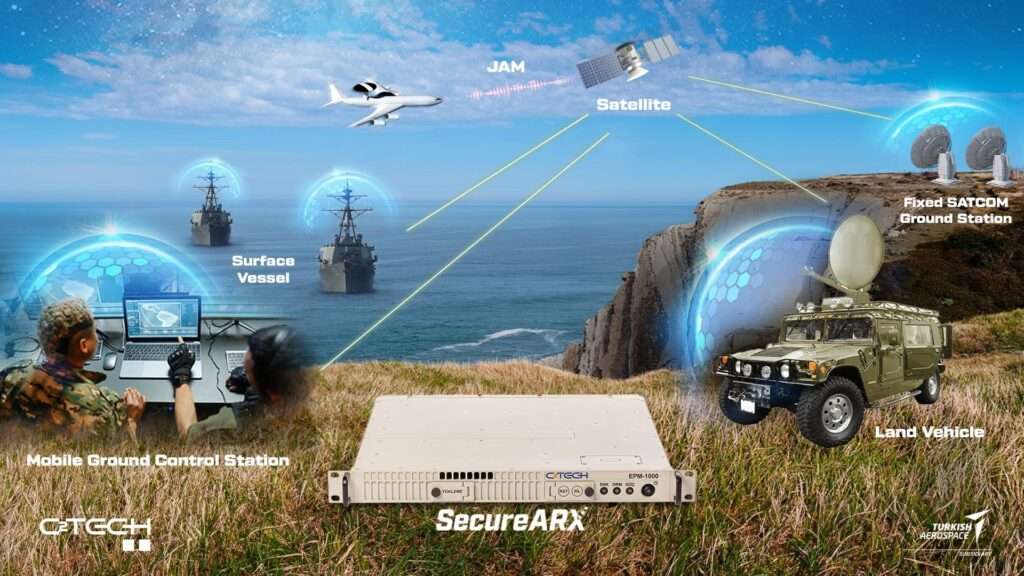
Dr. Fırat: It is incredibly significant. While winning the contract is what people see on the surface, it represents 20 years of effort to develop this highly complicated, niche technology. We have focused on creating a secure, jamming-resistant SATCOM modem with a low probability of interception.
NATO is a multinational organization that relies on “Standard Agreements” or STANAGs to ensure all member countries use state-of-the-art, compatible technology. Our system complies with NATO STANAG 4606, which is the gold standard for satellite communications. Before we entered the theater, there was only one other “very big brand” serving as the sole source for this technology globally. Becoming the second option in the world was a major achievement for us.
I understand the process to finalize this contract was quite lengthy. Can you tell us about that journey?
Dr. Fırat: Yes, it took almost 5 years from the initial tender to signing the contract. This wasn’t just about negotiations; it involved rigorous investigations into our company’s capability, functionality, and sustainability. Because these modems are strategic components for critical NATO operations, they were very concerned about the level of technology and resilience.
NATO’s inspection was not just technical. They investigated our project management, integrated logistic support, security protocols, and production capacity. Passing these stakes proves that our company meets the highest international standards.
Was the product already in use elsewhere before NATO selected it?
Dr. Fırat: Absolutely. Our product has been fielded in the Turkish Army for the last 8 years, receiving excellent feedback. This real-world usage was vital for the maturity of the technology. While we kept improving it during the five-year NATO investigation, NATO did have specific extra requirements. For example, they requested “mesh” or multiple channel capabilities, whereas our earlier version was Single Channel Per Carrier (SCPC). We were able to update the product primarily through software changes to meet these needs without major hardware overhauls.
How has this NATO success impacted your business in other regions, specifically the Gulf?
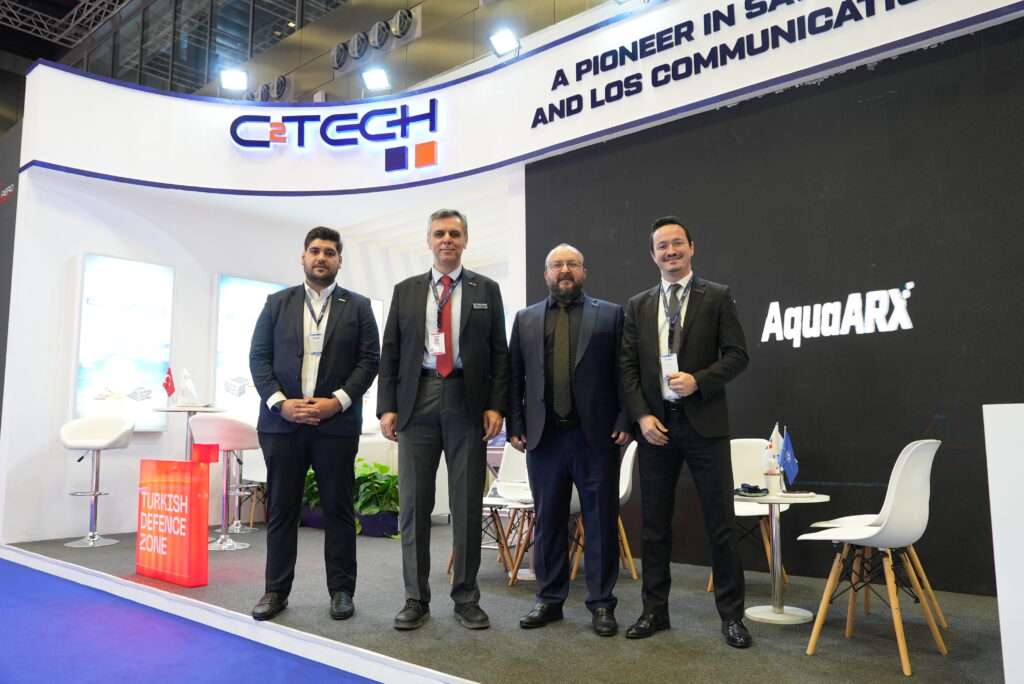
Dr. Fırat: The NATO reference is taken very seriously by defense departments worldwide. There is a sentiment that “if NATO buys it, we’re going to buy it”. In the Gulf region, specifically Saudi Arabia, the UAE, and Qatar, there is a huge dynamic to implement new SATCOM systems.
Beyond satellite modems, what other “niche” technologies are you showcasing?
Dr. Fırat: We specialize in data link technology for defense and aerospace. This includes solutions for helicopters, which is very challenging because the rotating blades can interrupt signals. We have a special design to overcome this.
You mentioned “Aqua ARX” technology for unmanned boats. How does that work?
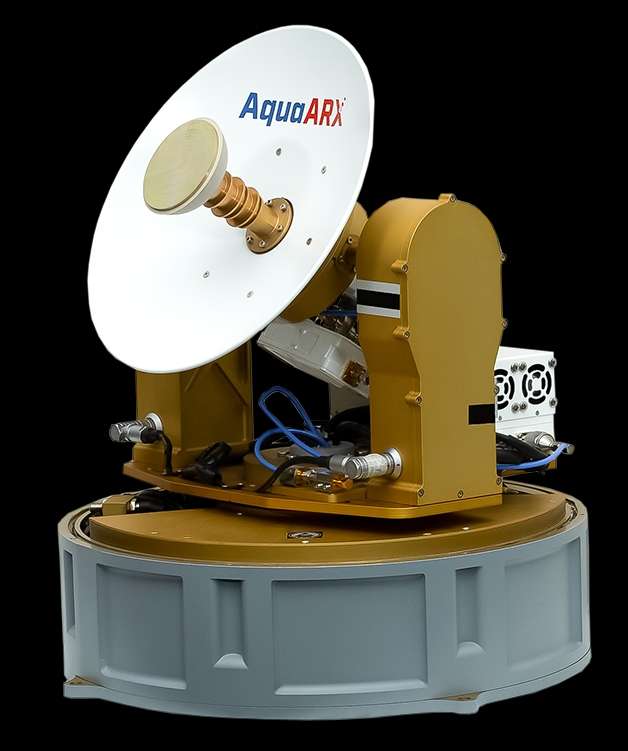
Dr. Fırat: The Aqua ARX is optimized for unmanned surface vehicles (USVs). In a maritime environment, you lose line-of-sight connection after about 40 to 50 kilometers; after that, SATCOM is the only option.
Operating at sea is difficult because it is a high-vibration, shaky, and salty environment with high humidity. Aqua ARX is qualified to maintain stable communication despite these conditions. We expect that in the coming years, every frigate will move together with a fleet of unmanned surface vehicles as a standard maneuver.
What is next for the company?
Dr. Fırat: We are focusing on our progressive business opportunities in the Gulf. This region is a strategic area for us, and we look forward to demonstrating our capabilities further at upcoming events, such as those in Saudi Arabia,.


Be the first to comment