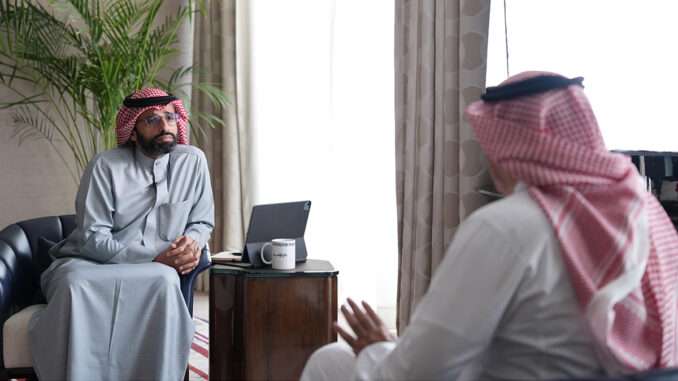
Over the course of five weeks, the Gulf states faced what they had never faced before. Between ballistic missiles, cruise missiles, and thousands of drones, the six Gulf states were subjected to continuous threats from Iran and its allies, under the pretext of “striking American bases” in the context of Iran’s war with the United States and Israel.
Most experts agree that this phase will reshape the contours of Gulf and Arab security for decades to come. This was clearly reflected across Arab television screens and media platforms, with analysts, experts, and researchers offering so many opinions and interpretations that the Gulf viewer may have felt overwhelmed by the sheer volume of commentary. For this reason, the return of Al Raqib podcast was necessary: to elevate the discussion, cut through the noise of the news cycle, and offer content worthy of serious analysis.
Al Raqib was ahead of the curve in its previous season when it raised, before many others, a fundamental question: How do we protect the Gulf?
At the time, some may have seen this question as an intellectual luxury, even though the distinguished host, Othman Mohammed Al-Anjari, posed it in the wake of the Iranian and Israeli attacks on Qatar. Then the war came, and we saw the answer to that question with our own eyes.
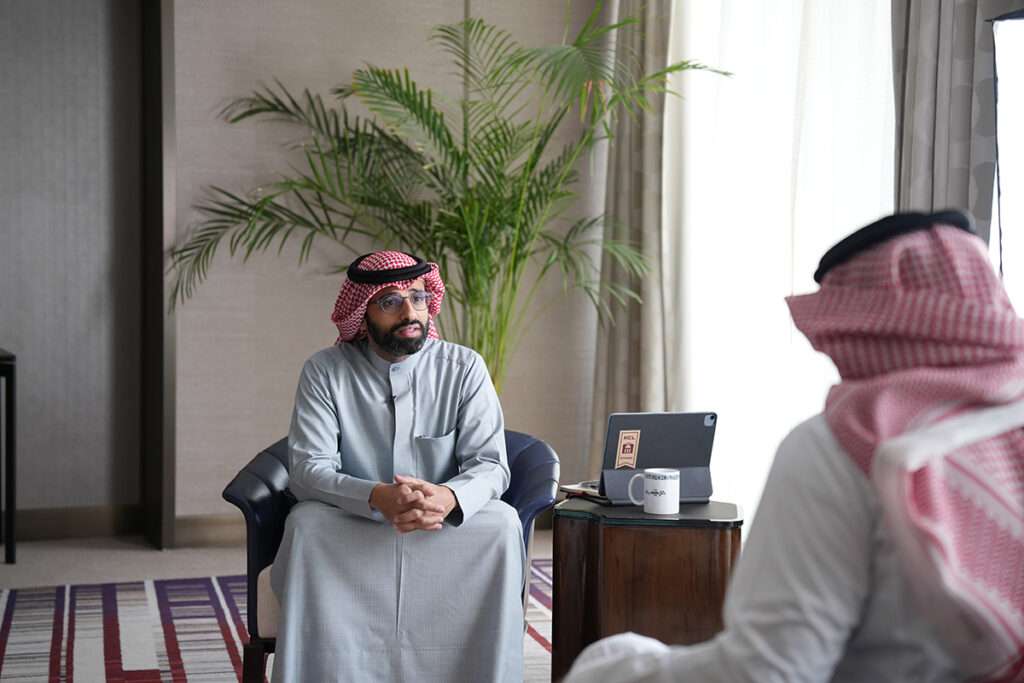
What has always stood out in Al Raqib is the boldness of its host, Othman Mohammed Al-Anjari, a boldness that was clearly demonstrated through his initiative in presenting “With Steadfastness and Capability” on Kuwait’s Al-Akhbar channel during the war. Through the program, he sought to fill an important gap in daily Arab political programming by hosting experts, analysts, and decision-makers from around the world as part of a special coverage of the war on Iran.
From here, the fourth season’s episodes came to address the questions of the post-war phase: What are the new defense balances? How should we assess Gulf defensive performance? And how can the future of Gulf security be planned?
These are questions that require depth, extended conversations, and perspectives capable of approaching the subject from its many angles.
The season began with a reading of what the war, and the Iranian attacks, revealed about the resilience of the Gulf system. This is why the first episode stood out, featuring two Saudi figures known for their long experience in politics and defense: Dr. Saleh bin Mohammed Al-Kathlan, professor of political science, senior advisor at the Gulf Research Center, and former member of the Saudi Shura Council; and Saudi writer and researcher Hassan Al-Mustafa, who has extensive experience analyzing Iranian realities and regional security issues.
Through its two guests, the episode added important analytical depth, not only in reading the defense gaps exposed by the crisis and how they can be developed, but also in understanding the Iranian mindset, the roots of the Iranian threat, and how Gulf states can deal with this threat in the future.
During the war, there was much discussion about the strength of Gulf air defenses and how they were able to deal with more than seven thousand threats with a success rate exceeding 93 percent. For this reason, the scenario of the second episode focused on the United Arab Emirates’ development of the “Steel Dome” system, as one of the most prominent models of modern air defense, and the beginning of its export. From here, the most fitting guest was the renowned expert and analyst in Middle East security and defense affairs, Riad Kahwaji.
Kahwaji explained the Iranian military doctrine and how it dealt with the Arab Gulf states. He also explained the importance of the early-warning system that enabled Gulf defenses to outperform Iranian attacks. He further showed how Iran used the Gulf states, their security, and the security of the global economy as hostages to pressure for an end to the American war against it.
Al Raqib podcast remains capable of presenting realistic, research-based content that tackles issues of defense and geopolitics with depth and seriousness. It confronts complexity with a distinctive journalistic style and preparation that respects the entanglements of the political landscape, without fearing to dive into the most sensitive files. This makes it an important reference for those interested in security and defense issues, from analysts to decision-makers.
You can watch episodes of Al Raqib podcast on podcast platforms and YouTube, and follow its posts on X.


Be the first to comment