
Exclusive.Defense Arabia
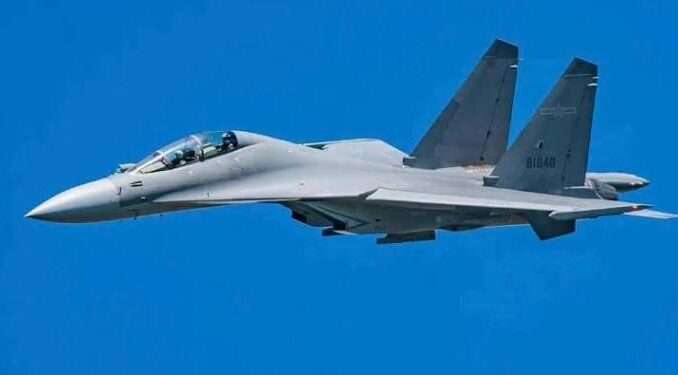
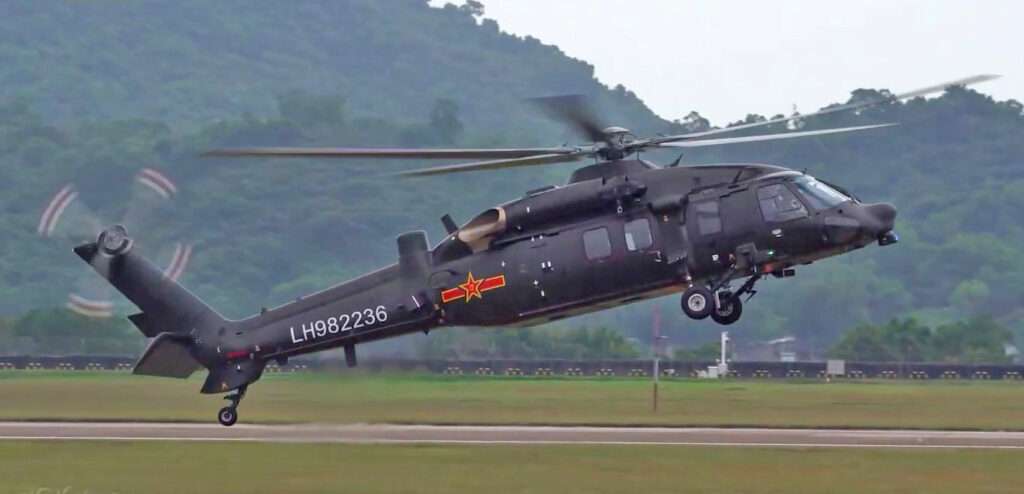
One of the most notable surprises of the second edition of the El Alamein International Airshow and Space Exhibition “EIAS 2026” is China’s decision to bring four aerial platforms to the forefront at once: the “J-16” multirole fighter, the “KJ-500” airborne early warning and control aircraft, the “YY-20” aerial tanker, and the “Z-20” helicopter, marking the first overseas appearance of all four platforms at an airshow outside China.
The four platforms arrived in Egypt shortly after participating in the joint “Eagles of Civilization 2026” exercise between the two countries, before moving on to the El Alamein Airshow. This sequence reflects the growing Chinese air presence in Egypt and gives China’s participation in the exhibition significance beyond simply displaying aircraft.
Four Roles, One Integrated System
Beijing is not limiting its display to a single combat platform, but is presenting a group of aircraft covering different roles in air operations. The “J-16” handles the combat role as a twin-engine multirole fighter capable of combining air combat missions with strikes against ground targets.
The “KJ-500”, meanwhile, provides the sensing, command, and control element as an airborne early warning and control “AEW&C” platform. The aircraft is based on a derivative of the “Y-9” family and features an active electronically scanned array “AESA” radar mounted in a fixed radome, giving it the ability to monitor the airspace and provide the information required to manage air operations, according to “Janes”.
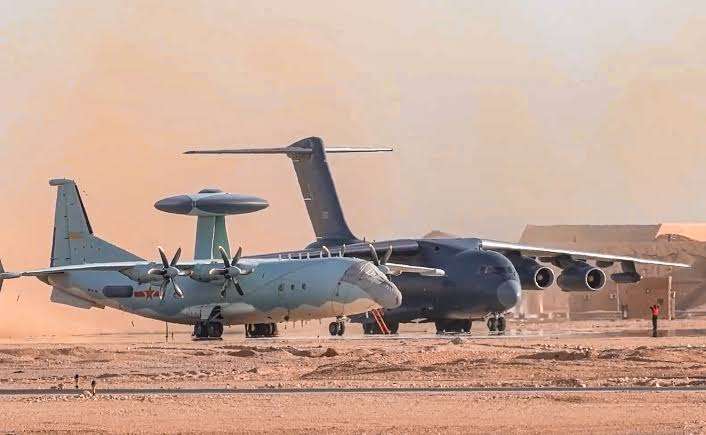
The “YY-20”, derived from the “Y-20” transport aircraft family, performs a different but essential role in long-range operations by providing aerial refueling, helping extend the range of fighter aircraft and increase the amount of time they can remain airborne.
The medium-sized “Z-20” helicopter adds another dimension to the group through its multirole capabilities, completing a package that brings together combat, sensing, command, logistical support, and versatile aerial capabilities.
Why Did China Bring These Aircraft Together?
The significance of China’s participation lies more in its composition than in the importance of each aircraft individually. Beijing did not send a fighter merely to showcase its capabilities; instead, it presented a group covering different elements of air operations at once: combat, early warning, command and control, aerial refueling, and multirole capabilities.
This combination provides a more comprehensive picture of the concept of modern air power, where combat effectiveness does not depend on fighter aircraft alone, but on their ability to operate within a network that includes sensing, command, support, and enabling platforms.
The participation also gives China an opportunity to showcase a range of its platforms to a military and industrial audience in the Middle East and Africa, at a time when Beijing is expanding its presence in the global aerospace and defense market.
However, it is important not to jump from participation in the airshow to the conclusion that an Egyptian deal exists, as there has so far been no official announcement of an Egyptian contract to purchase any of the four aircraft.
From “Eagles of Civilization” to El Alamein
China’s participation takes on additional significance given its timing. The four aircraft arrived in Egypt after taking part in the joint “Eagles of Civilization 2026” exercise between the Egyptian and Chinese air forces, before appearing at the El Alamein Airshow.
This sequence reflects an advanced level of Chinese air presence in Egypt, as the platforms moved from a joint training activity to an international platform bringing together companies, air forces, and military manufacturers from several countries.
Accordingly, China’s participation in El Alamein does not appear to be an isolated event separate from the growing military cooperation between Cairo and Beijing, but rather part of a broader context of engagement, training, and capability demonstrations.
El Alamein.. A Platform for Showcasing China’s Air Power
This participation reveals a notable shift in the way Beijing presents its air capabilities abroad. Rather than limiting its presence to a single fighter or an aerobatic team, China has chosen to present a group reflecting different elements of an air operations system, from the fighter to sensing, command, aerial refueling, and air support.
From the “J-16” to the “KJ-500”, “YY-20”, and “Z-20”, Beijing is presenting at El Alamein a picture of air power built on the integration of platforms rather than on the fighter alone.
For Egypt, this participation comes at a time when military cooperation with China is expanding, while the El Alamein Airshow provides Beijing with an important platform to showcase its capabilities to Middle Eastern and African markets in the military aviation sector, which has become one of the key arenas of competition among global arms suppliers.




Be the first to comment