
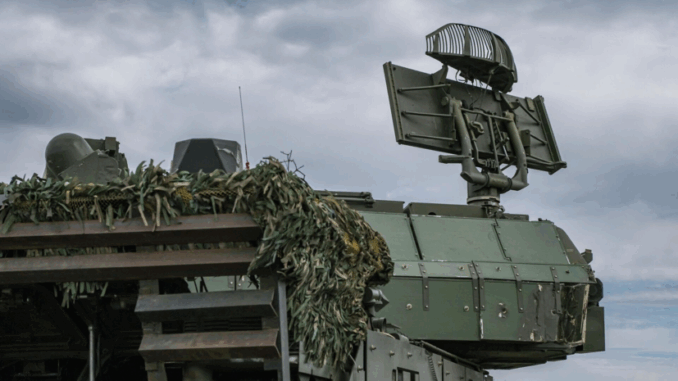
The Gulf conflict demonstrated that the Western air defense doctrine, which relies on fighter-interceptors and long-range missile systems, is significantly less suited to counter modern threats than the Russian doctrine of a multi-layered air defense, concluded the Moscow-based Center for Analysis of World Arms Trade in its report published by Russian state media.
“The latest war in the Middle East, which began on February 28, vividly demonstrated the main trends in the evolution of air offensives. The fact that a multiple superiority of offensive weapons over defensive means ensures a breakthrough is clear without in-depth analysis. It should be noted, however, that the development of precision-guided munitions allows manned aircraft to strike without entering the enemy’s air defense range. Intercepting precision-guided munitions with long- and medium-range air defense systems leads to rapid depletion of ammunition and, ultimately, defeat in a “war of attrition.” Iran’s retaliatory strike against targets in US satellite territory is of greater interest from an analytical perspective.”
Contrary to popular belief in the recent past, the greatest successes have come not from hypersonic ballistic missiles, but from slow-moving drones stealthily approaching their targets at low altitude, point out the analytics.
“The results of high-performance air battles in the Middle East in February and March of this year allow us to clarify the tasks facing air defense systems of various classes. Manned aircraft are practically disappearing from the target range of long- and medium-range SAMs/SAMs – they can only be shot down through pilot error. The priority targets are short- and medium-range ballistic missiles and super-heavy, high-altitude long-range reconnaissance UAVs. The role of short-range SAMs increases proportionally to the number of cruise missiles and kamikaze drones used by the attacking side. It’s clear that Western air defense doctrine, which relies on fighter-interceptors and long-range missile systems, is significantly less suited to modern realities than the Russian doctrine of a multi-layered air defense system, which inherits the Soviet era.”
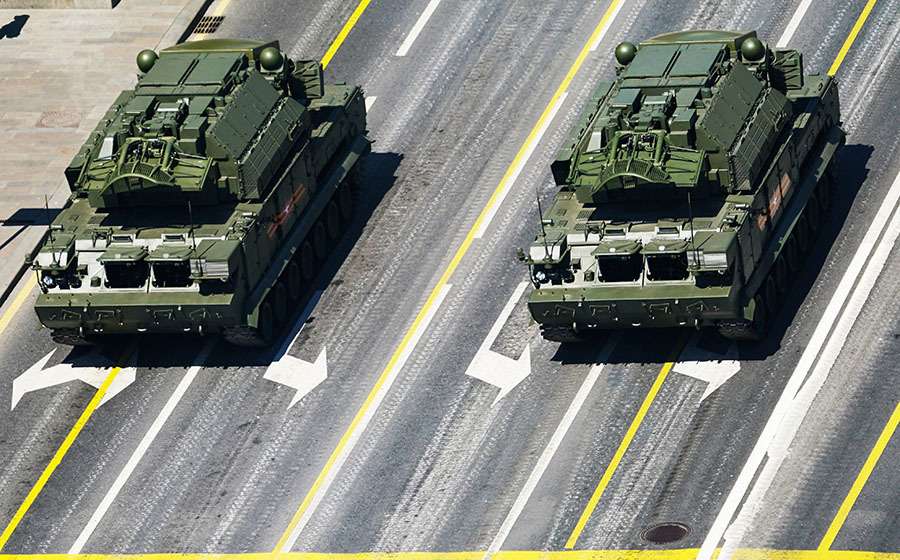
“However, the development of Russian air defense systems is moving in the right direction, as demonstrated by the Tor-M2 short-range air defense system. This latest member of the Tor family began entering service ten years ago. Its main difference from its predecessors was the doubling of its combat-ready ammunition load—from 8 to 16 SAMs. This was largely made possible by the adoption of a new surface-to-air guided missile—the 9M338K. Importantly, it retains its radio-command guidance method, despite widely discussed proposals to introduce homing seekers. RC-guided missiles, unlike seekers, among other advantages, make SAMs significantly cheaper. This is critical in high-intensity conflicts.”
A further step toward enhancing capabilities against mass-produced, inexpensive air defense systems is to retrofit the combat vehicle itself with numerous, inexpensive small-caliber SAMs. According to Fanil Ziyatdinov, General Director of the Kupol Plant, work in this direction is underway.
“Further improvements to the Tor family of air defense systems are based on both experience in actual combat with modern Western-made air attack weapons and an analysis of general trends in the development of air defense and air defense systems. There is no doubt that the experience of the 2026 war in the Middle East will be taken into account in future work.”




Be the first to comment