Zafer Mourad
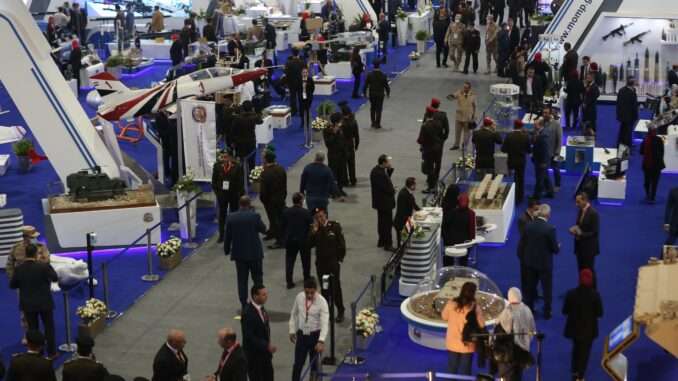
The Egypt Defence Expo (EDEX) 2025 returns this year under exceptional circumstances, as the Middle East and the wider world grapple with a series of disruptive developments that are reshaping the region’s security landscape. This year’s exhibition is not only about showcasing advanced defense systems but also about reflecting the underlying political messages and strategic orientations of the countries involved.
Critical Developments Shaping the Context
The regional backdrop to EDEX 2025 is unprecedented:
- The Israeli airstrike on Qatar has shaken the Gulf security architecture, raising urgent questions about deterrence and air defense interoperability.
- Alarming breaches of red lines in the Gulf signal a shift from managed competition to open confrontation.
- A growing Arab consensus on collective security is emerging, with intensified cooperation likely to lead to new defense and armament initiatives.
- The Strategic Mutual Defense Agreement between Saudi Arabia and Pakistan could mark the birth of a new axis, combining financial power and industrial capacity with military expertise.
- Egypt’s reaffirmed central role, not only diplomatically but also militarily, underlines Cairo’s determination to act as a regional anchor and guarantor of deterrence.
Global Defense Industry Dynamics at Play
EDEX 2025 will be defined by a clash of suppliers and visions for the region’s future:
- American and European firms will retain their traditional weight, particularly in air defense, aerospace, and naval systems.
- Turkey’s presence is expected to be a political surprise, signaling Ankara’s growing assertiveness in Arab defense markets.
- China, South Korea, and Russia will compete aggressively for influence, offering advanced systems with attractive financing and technology-transfer packages.
- Emerging technologies from AI-driven warfare and unmanned aerial vehicles (UAVs) to electronic warfare and missile defense, will dominate exhibition halls, reflecting the urgency of future-ready capabilities.
Egypt as a Strategic Hub
Beyond hosting the event, Egypt seeks to leverage EDEX 2025 to position itself as a regional defense manufacturing center. Ongoing modernization of the Egyptian Armed Forces, combined with investments in local production capacity, underscores Cairo’s ambition to serve as a bridge between Arab, African, and Mediterranean security concerns.
Themes to Watch
Defense Arabia will provide in-depth coverage and analysis of several key themes expected to emerge from the exhibition:
- Indigenous production and localization: Gulf states, Egypt, and Turkey are accelerating moves to reduce reliance on foreign suppliers.
- Naval modernization: With escalating tensions in the Red Sea and Gulf waters, maritime security solutions will feature prominently.
- Cybersecurity and AI warfare: Companies will showcase digital defense solutions designed for next-generation conflict.
- Arms race dynamics: Procurement cycles are shortening as states rush to acquire advanced systems in response to growing threats.

Looking Ahead
EDEX 2025 is poised to become more than a marketplace for arms deals, it will act as a strategic barometer, reflecting how alliances are shifting and how the region’s militaries are preparing for what may become a sustained arms race. New joint ventures, drone programs, and missile systems may be unveiled, while attendance and absence will send powerful messages about the future of Middle Eastern security.
For Defense Arabia, the mission at EDEX 2025 goes beyond reporting contracts. Our coverage will dissect the symbolic and strategic dimensions of the event, exposing how technology, politics, and power intersect at one of the most consequential defense exhibitions in the world.




Be the first to comment