By Col (Ret.) Zafer Mourad Strategic Affairs Analyst
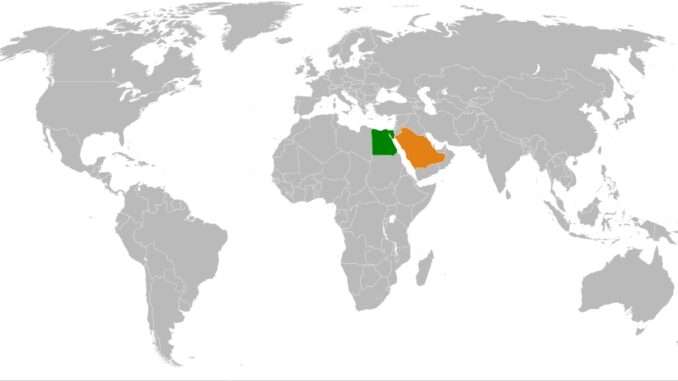
As the MENA region continues to face an array of escalating threats—from state collapse and proxy wars to transnational terrorism and foreign interference—the geopolitical partnership between Egypt and Saudi Arabia is evolving into a critical axis for regional stability. The growing strategic rapprochement between Cairo and Riyadh is no longer merely a bilateral alliance of convenience; rather, it reflects a broader imperative to survive and secure shared national and strategic interests, maintaining initiative and leadership in a rapidly changing Middle East.

Shared Threat Perceptions: Beyond Traditional Diplomacy
Historically, Egypt and Saudi Arabia have viewed regional and global threats through different lenses, even displaying contradictory visions in some aspects. However, they generally agree on all crucial and vital issues. Egypt, a formidable military power, suffers from some weaknesses, such as a large population, and limited resources and financial capabilities. Saudi Arabia, on the other hand, serves as the custodian of Islamic holy sites and a major oil producer. Given the differences in the nature of their roles at the regional and global levels, there is an urgent need for security, political, and economic coordination to confront the challenges and dangers in the region. From the destabilization of Sudan and the ongoing civil war in Libya, to the Iranian influence extending from Baghdad to Beirut, both countries find themselves besieged by crises that no longer respect traditional borders. The changes that have occurred in Syria and Iraq, the rise of non-state actors such as the Houthis and ISIS, the diminishing influence of Western powers in regional security affairs, and finally the Palestinian issue and the war on Gaza (which has escalated to include Lebanon, Yemen, and Iran) have all accelerated the need for rapid response mechanisms that ensure success in averting dangers and threats.
Military and Intelligence Coordination: A Quiet Convergence
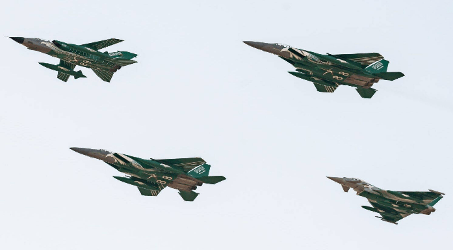
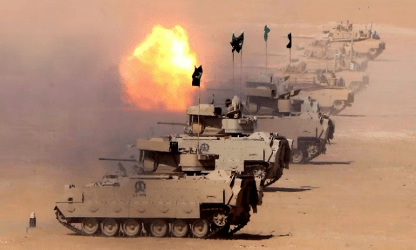
While headlines often focus on political summits and economic deals, the real integration between Egypt and Saudi Arabia takes place behind the scenes—in military planning, intelligence sharing, and the alignment of security doctrines. Joint military exercises like Tabuk and Faisal are no longer symbolic. They are operational rehearsals for scenarios including security breaches in the Red Sea, counterterrorism in Sinai and Western Saudi Arabia, and even coordinated responses to Iranian missile threats or Turkish military activities. In recent years, there has also been increased cooperation between intelligence agencies, particularly in monitoring extremist networks, militias, regional arms smuggling routes, and organized crime.

Strategic Depth and Defense Posturing
Egypt provides Saudi Arabia with strategic depth along the Red Sea and a crucial land bridge to North Africa. At the same time, Saudi Arabia offers Egypt financial influence, energy partnerships, and a foothold in the Gulf security architecture. Together, they are building a regional defense posture that includes:
- Securing maritime chokepoints such as the Bab El-Mandeb and the Suez Canal.
- Balancing Iranian regional expansion through diplomatic, intelligence, and military countermeasures.
- Supporting political transitions in allied states such as Sudan, Libya, and Yemen to prevent state failure from cascading across borders.
Economic and Infrastructure Integration: Strength Beyond the Battlefield
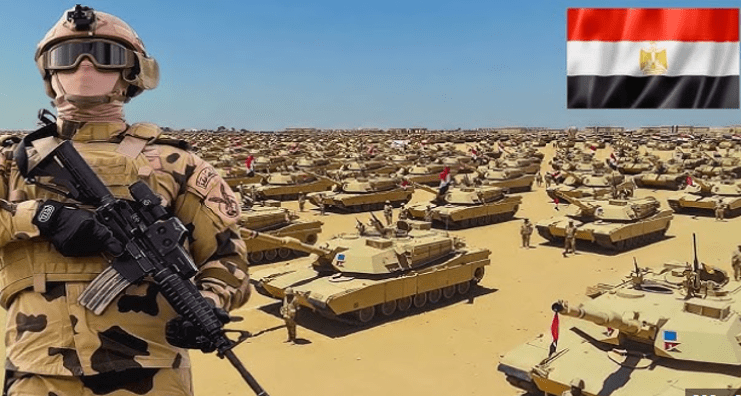
Geopolitical integration is not limited to military affairs. Saudi investments in the Suez Canal Economic Zone, joint mega-projects such as NEOM near the Egyptian border, and shared interests in food and water security point to a long-term vision for regional interconnectedness. The establishment of energy and logistics corridors linking the Gulf to the Mediterranean—through Egyptian territory—positions Cairo not only as a military ally but also as an indispensable economic gateway.
Challenges and Constraints
This growing alliance is not without its constraints. Historical rivalries persist, and differences in governance models and foreign policies may create distance between the two countries. Egypt maintains strategic independence, which sometimes diverges from Saudi initiatives, particularly in Syria and Yemen. However, the logic of regional survival—amidst American austerity, escalating Eurasian competition, and the fragmentation of Arab consensus—has forced the two powers to rethink and reshape their regional roles.
Conclusion: Towards a New Arab Strategic Axis
What we are witnessing today may not be just a tactical alliance, but rather the early stages of a new Arab strategic axis. The Egyptian-Saudi partnership could serve as the nucleus of a future regional security framework—one that is indigenous, self-reliant, and rooted in the lessons learned from past failures in a Middle East where trust is scarce, and threats are increasingly existential. Cairo and Riyadh are discovering that their sovereign interests—and the broader Arab order—can only be safeguarded through integration, even if it comes at the expense of other, less important issues.


Be the first to comment